
The Undertaker Evaluates Logan Paul, Likes That Paul Is Different From Other Wrestlers
<
>
wrestling
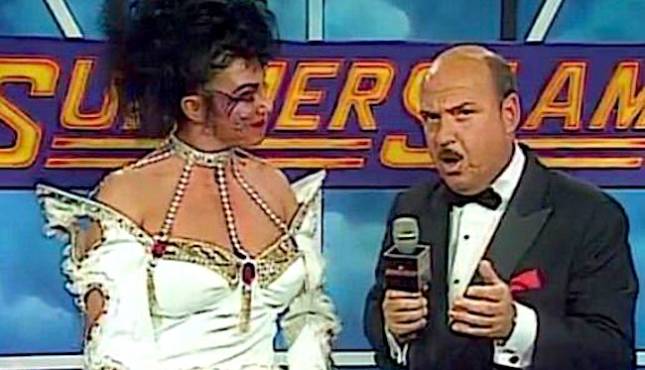
411’s Dark Side of The Ring Report: “Sensational Sherri”
wrestling
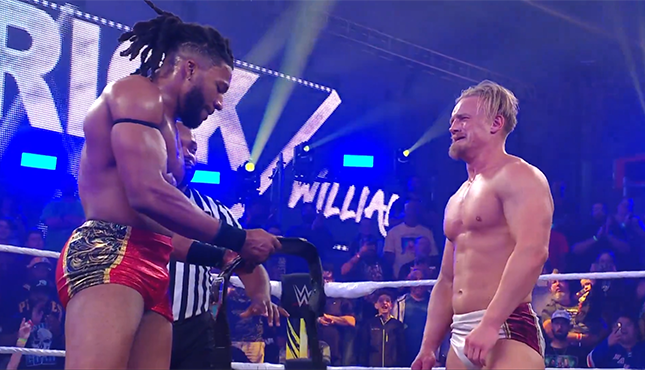
Hall’s WWE NXT Review 4.23.24
wrestling
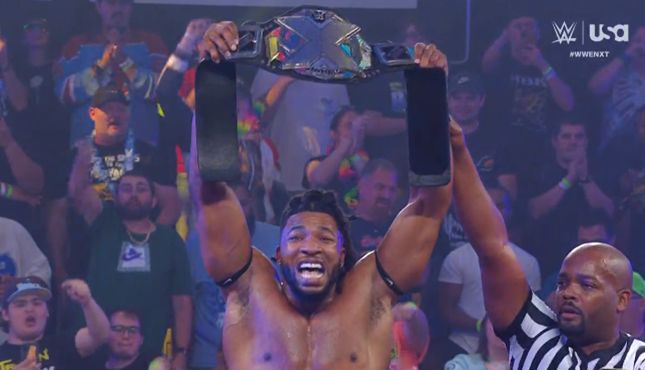
Jeremy’s WWE NXT Review 4.23.24
wrestling
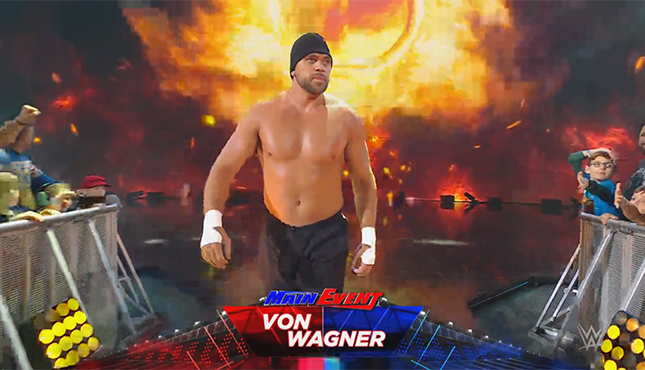
Von Wagner Reportedly Had Creative Pitch for WWE Draft Before His Release
-
411’s Dark Side of The Ring Report: “Sensational Sherri” Robert Leighty checks in with 411's full report of this week's Dark Side of The Ring episode, ...
-
Hall’s WWE NXT Review 4.23.24 Thomas Hall checks in with his review of this week's WWE NXT.
-
Jeremy’s WWE NXT Review 4.23.24 Jeremy Thomas checks in with his review of this week's WWE NXT.
-
Von Wagner Reportedly Had Creative Pitch for WWE Draft Before His Release An update on Von Wagner...

+
read more 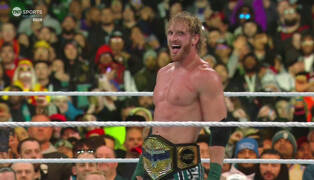
+
read more 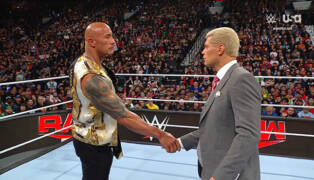
Bully Ray Would Not Mind The Rock Beating Cody Rhodes to Win the Title
+
read more 
Mike Santana Now Officially Signed With TNA
+
read more 
Jon Moxley on Remaining on a Handshake Deal With NJPW, People Thinking He’d Appear at WrestleMania 40
+
read more 
Bully Ray Wants Unused Talent From WWE Draft to Move to NXT
+
read more 
Matt Riddle vs. Josh Bishop Set for MLW Azteca Lucha
+
read more 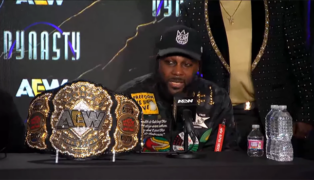
Swerve Strickland on the High Bar Set by the Previous AEW World Champions
+
read more 
Jon Moxley vs. Tetsuya Naito From NJPW Windy City Riot Airing Tonight on AXS TV
+
read more 
More Backstage Details on WWE Releasing Cameron Grimes
+
read more 
Saraya Shares New ‘We’re Female Wrestlers’ Video
+
read more 
Bully Ray Thinks WWE Is Planing the Seed to Have Liv Morgan Seduce Dominik Mysterio
+
read more 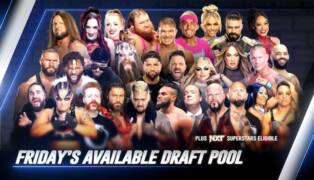
WWE Announces Draft Rules & Talent Pools, Champions on Each Brand Are Now Protected
+
read more 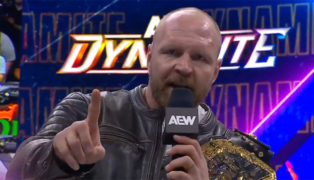
Tommy Dreamer Compares Jon Moxley to ECW Legend The Sandman
+
read more 
Mark Henry Praises the Storytelling of Will Ospreay vs. Bryan Danielson
+
read more 
Bully Ray on How AEW Needs to Capitalize on Jack Perry’s Return
+
read more 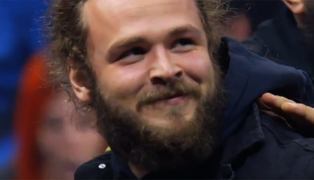
Rob Van Dam Compares AEW Airing the CM Punk & Jack Perry Footage to the ECW Style
+
read more 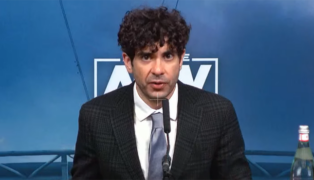
Kevin Nash Explains Why He Wants AEW to Succeed
+
read more 
Tiffany Stratton On A Possible Reality TV Show, Comments On Transition To Main Roster
+
read more 
Hiroshi Tanahashi Says He’s Envious Of How Quickly WWE Can Develop Talent
+
read more 
Sheamus and Drew McIntyre Continue To Trade Shots, McIntyre References Scott Steiner Promo
Movies / TV
Gregory Lamberson On Crowdfunding His New Horror Film Frenzy MoonBryan Kristopowitz (April 24, 2024)


